

A first-person multiplayer survival game where you explore a persistent near-future world, build, trade, haul valuable goods, and choose how much danger you are willing to face.
Larger worlds, dynamic play.
Cargo has to travel
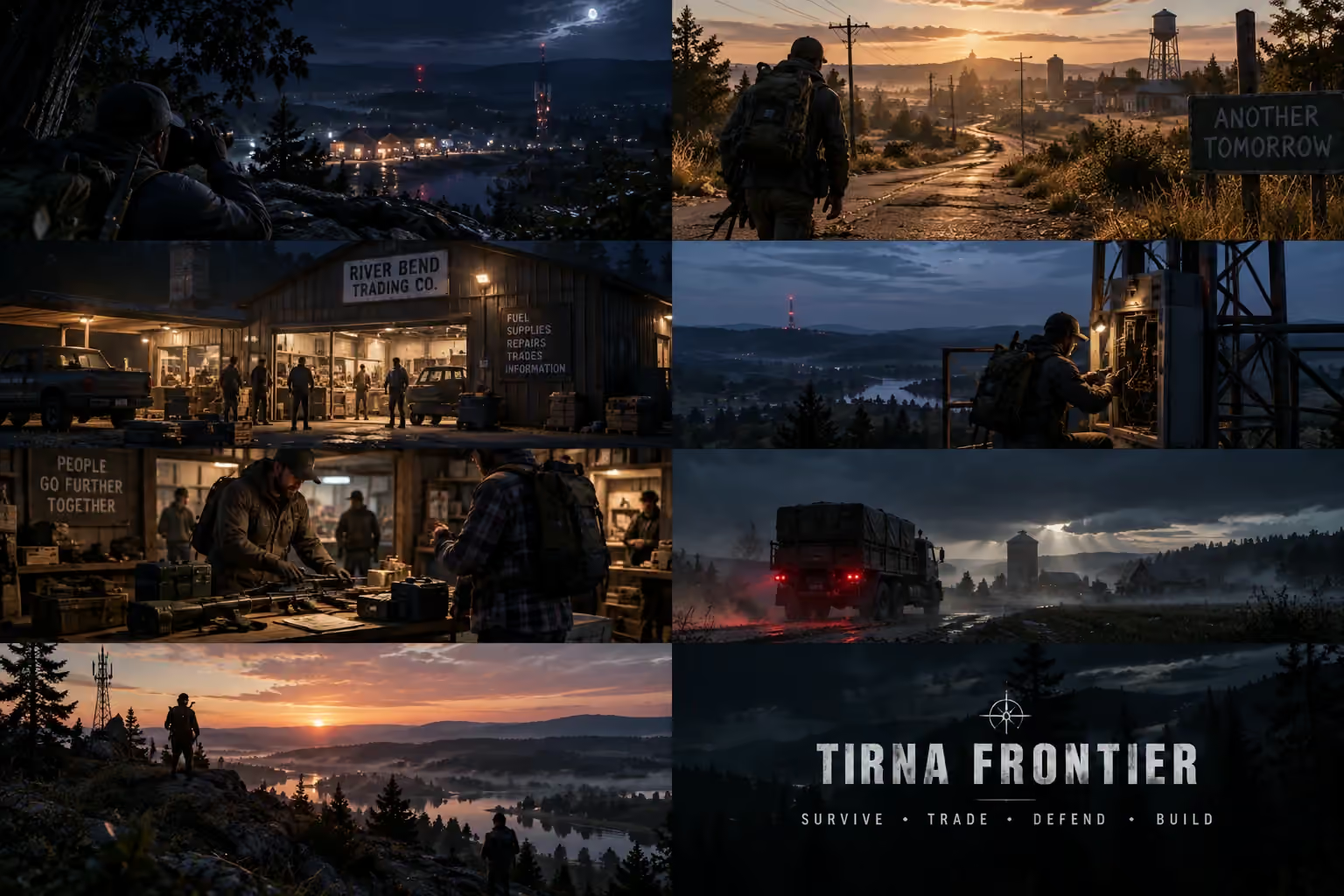
Valuable goods physically move through the world. Every trade route, convoy, escort, robbery, and delivery is a decision with real stakes, made by players.
The world
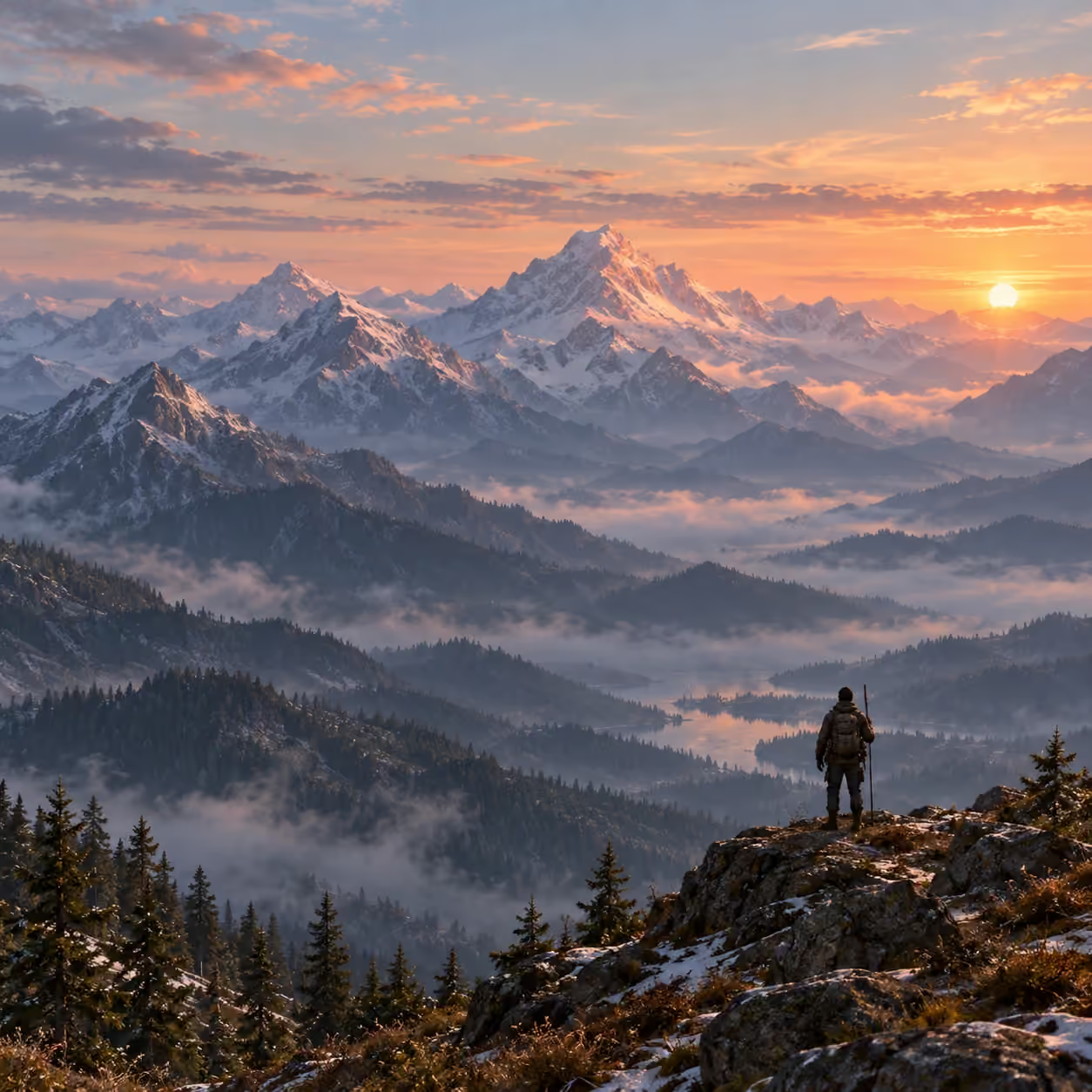
Near-future Earth. An artificial intelligence reached near-godlike capability, then appears to have left. The global economy collapsed, populations fractured, advanced technology survives in pieces, and an abandoned orbital network still listens.
You arrive as an ordinary citizen with nothing, and choose how to survive and build a place in the new world.
Settlements and government forces keep order in the safer zones. Farther out, militias, mercenaries, and player groups hold the ground, and authority weakens the closer you get to the frontier.
Design pillars
Exploration
The world has to be worth crossing: distinct settlements, biomes, and routes worth the risk.
Building
Bases are designed to stay standing when you log off, giving players lasting utility and an identity in the world.
Trade and politics
Player decisions shape prices and relationships, through the exchange, contracts, reputation, and goods that have to be hauled.
Survival and fear
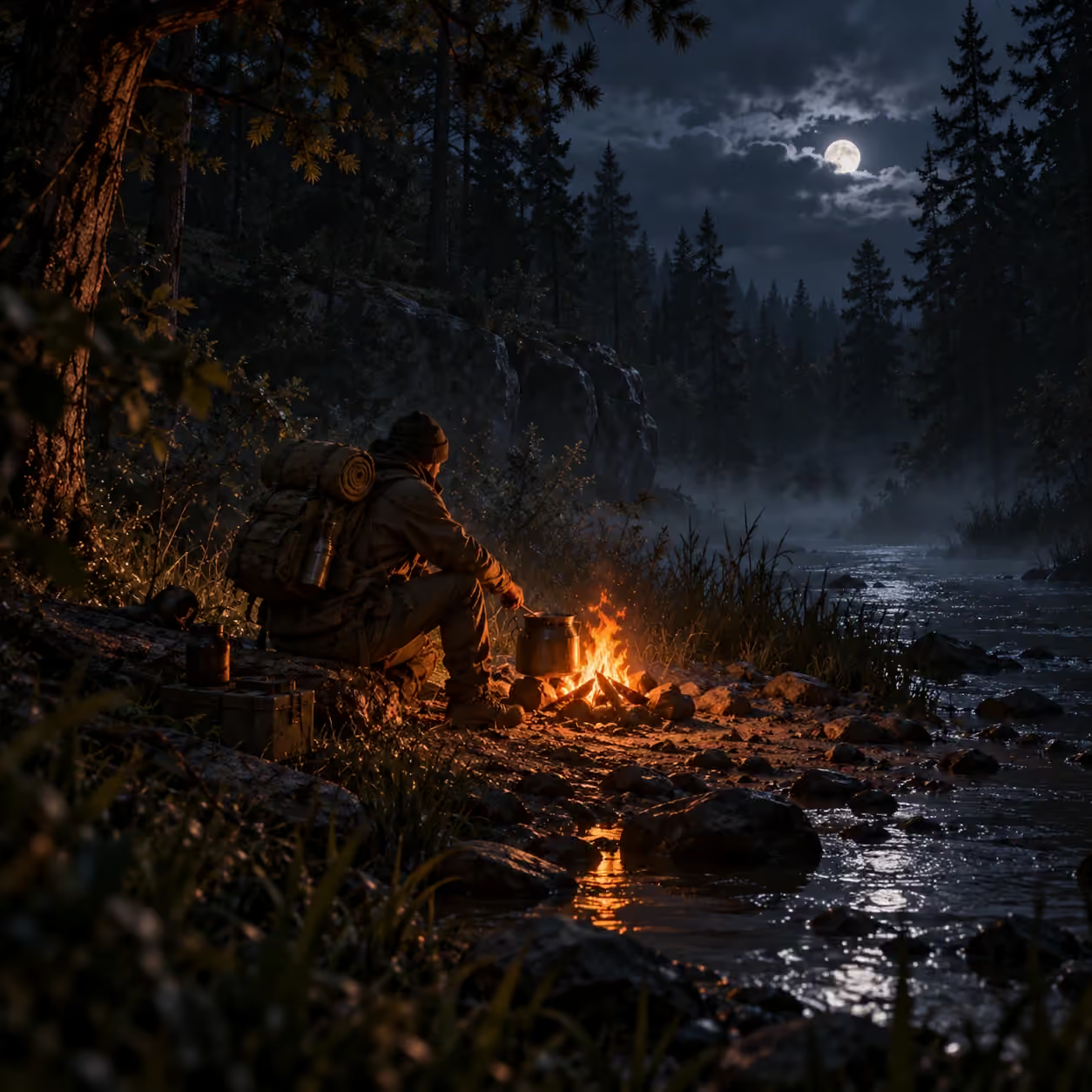
Hunger, thirst, and weather add tension without becoming busywork. Danger rises the farther out you go.
Mastery
Careers, ranks, equipment, and economic roles reward the players who commit and specialize.
Risk you choose
PvP scales with where you travel. It is never forced everywhere.
- Green zones
- Strong NPC protection. Where most new players begin.
- Yellow zones
- PvP is possible, with NPC and player defense and reputation consequences.
- Red zones
- Little or no protection. The most danger, and the most value.
What you carry is the bet. Cargo and carried equipment can be lost; your character progression is meant to survive. A loss should matter without one death being catastrophic. The exact rules are still being tuned.
How it plays
The market
The market is the backbone of the game, not a side menu. Players set prices on each server's exchange, and goods have value because they have to be produced, moved, used, and sometimes lost. The closest reference is EVE Online, made physical and first-person: goods cross a dangerous world where route choice, convoys, bases, and combat all matter.
Solo, squad, or clan
Solo players can explore, trade, haul, build, and progress through PvE. Squads gain efficiency and security. Clans can run bases, logistics, and larger economic or territorial goals. Joining a clan is never required.
Combat and survival
Gunplay is lethal and grounded: the target is roughly one headshot, or two to three body shots, depending on weapon and armor. Survival is light pressure. Hunger, thirst, and weather matter, but the game is not built around micromanaging meters.
At a glance
- Genre
- First-person multiplayer survival
- Setting
- Near-future Earth
- Platform
- PC, on Steam
- Engine
- Unreal Engine 5
- World
- Persistent, on dedicated servers
- Economy
- Player-driven, one exchange per server
- PvP
- Zoned, risk rises the farther out you travel
- Business model
- Buy-to-play, no pay-to-win
- Status
- Pre-production
Questions
- Can I play it now?
- Not yet. The game is in pre-production. Get updates or join the Discord to follow development.
- Is PvP forced?
- No. PvP risk depends on where you travel. You can progress through exploration, trade, building, and PvE in safer zones.
- Do servers wipe?
- The game is designed around persistent progression rather than regular wipes.
- Can I play solo?
- Yes. The game is designed so solo players, squads, and large groups are all viable.
- Is it pay-to-win?
- No. It is a buy-to-play game with no pay-to-win monetization planned.
- Which platforms?
- PC, on Steam.
Keep up with Tirna Frontier
News on the game as it takes shape, by email or on Discord.